
The Science of Hope for Treatment-Resistant Conditions

DeepTMS

DeepTMS: The Science of Hope for Treatment-Resistant Conditions

For many individuals struggling with Major Depressive Disorder (MDD) or Obsessive-Compulsive Disorder (OCD), traditional “talk therapy” and oral medications sometimes reach a plateau. This is known as Treatment Resistance. At Deva Institute, we bridge this gap using DeepTMS, a non-invasive, FDA-approved breakthrough that talks directly to the brain’s neural circuits.

1. What Makes “Deep” TMS Different?

Standard rTMS (Repetitive Transcranial Magnetic Stimulation) uses a “Figure-8” coil that stimulates the surface of the brain (the cerebral cortex). While effective for some, its reach is limited to about 0.7 cm depth.

DeepTMS uses the patented H-Coil technology, which:

Reaches Deeper: Penetrates up to 4 cm into the brain, reaching critical structures like the anterior cingulate cortex.

Broader Stimulation: It covers a larger volume of brain tissue, reducing the chance of “missing” the target due to minor head movements.

Enhanced Neuroplasticity: By stimulating deeper circuits, it encourages the brain to “rewire” itself more effectively, leading to longer-lasting remission.

2. Clinical Indications: Who is a Candidate?

DeepTMS is not just for depression. At Deva Institute, our multidisciplinary team evaluates candidates for:

Treatment-Resistant Depression (TRD): For those who haven’t responded to at least two antidepressant medications.

OCD (Obsessive-Compulsive Disorder): The first non-invasive device FDA-cleared specifically for OCD.

Smoking Cessation: Helping the brain resist cravings by targeting the reward pathways.

Anxious Depression: Addressing both low mood and the physical symptoms of anxiety.

Deep TMS also effective in these mental and neurological diseases:
Depression, Bipolar Disorder, Panic Disorder, Social Phobia / PTSD, Sleep Problems / Insomnia, Migraine / Chronic Headache, Physical Pain / Fibromyalgia, Parkinsonism, Post-Stroke (CVA), Behavioral problems and various neurological deficits such as difficulty speaking, memory problems, hand tremors, difficulty walking, Excessive and persistent fatigue, Addiction (alcohol, tobacco, cigarette/bidi, hookah, cannabis/charas/bhang, opium, etc.), Mobile / Internet addiction, Gambling addiction, Obesity / Overeating, ADHD, Autism, Ticks / Tourette’s, Memory problem, Dementia, Psychosis and Schizophrenia, Tinnitus (ringing in the ear), Brain fog / Lack of concentration.

3. The Patient Experience: What to Expect

A common fear among visitors is that brain stimulation might be painful or involve “shocks.” This is a misconception.

The Mapping Session: In your first visit, our psychiatrists determine your “Motor Threshold”—the exact amount of energy needed to stimulate your brain.

The Treatment: You sit comfortably in a chair, wearing a specialized cushioned helmet.

The Sensation: You will hear a clicking sound and feel a light “tapping” sensation on your scalp. You can talk to the therapist, listen to music, or watch a video during the 18–20 minute session.

Zero Downtime: Unlike ECT (Electroconvulsive Therapy), there is no anesthesia. You can drive yourself home or go back to work immediately after.

देवा इंस्टीट्यूट, वाराणसी में हम समझते हैं कि मानसिक बीमारी केवल “मन का वहम” नहीं है, बल्कि यह मस्तिष्क के रसायनों और सर्किट की एक समस्या है। जब दवाइयां पूरी तरह काम नहीं करतीं, तब DeepTMS तकनीक काम आती है।

1. DeepTMS क्या है और यह कैसे काम करता है?

DeepTMS एक ऐसी मशीन है जो एक विशेष हेलमेट के जरिए मस्तिष्क के भीतर सुरक्षित चुंबकीय तरंगें (Magnetic Waves) भेजती है।

गहराई तक असर: साधारण मशीनों के मुकाबले, यह दिमाग की उन गहरी परतों तक पहुँचती है जहाँ डिप्रेशन और ओसीडी (OCD) की जड़ें होती हैं।

कोई दर्द नहीं: इसमें न तो सुई लगती है, न ही बिजली के झटके दिए जाते हैं। यह पूरी तरह सुरक्षित और दर्द-रहित है।

2. यह किन मरीजों के लिए सबसे बेहतर है?

ऐसे मरीज जो सालों से डिप्रेशन की दवा खा रहे हैं पर पूरी तरह ठीक नहीं हो रहे।

जिन्हें बार-बार हाथ धोने या एक ही बात बार-बार सोचने की बीमारी (OCD) है।

जो लोग सिगरेट या तंबाकू की लत छोड़ना चाहते हैं।

ऐसे लोग जो दवाइयों के साइड इफेक्ट्स (जैसे वजन बढ़ना या नींद आना) से बचना चाहते हैं।

3. इलाज के दौरान कैसा महसूस होता है?

सेशन के दौरान मरीज आराम से कुर्सी पर बैठता है। आपको अपने सिर पर हल्की “टैपिंग” (जैसे कोई उंगली से थपथपा रहा हो) महसूस होगी। एक सेशन लगभग 20 मिनट का होता है। इसके बाद आप अपनी गाड़ी चलाकर घर जा सकते हैं या अपने ऑफिस का काम कर सकते हैं।

Feature

Medication (Antidepressants)

Standard rTMS

DeepTMS (H-Coil)

ECT (Shock Therapy)

Anesthesia Needed?

No

No

No

Yes

Side Effects

Weight gain, nausea, fatigue

Scalp discomfort

Minimal (Mild headache)

Memory loss, confusion

Depth of Reach

Chemical/Systemic

Surface (Shallow)

Deep & Broad

Whole Brain

Daily Routine

Minimal impact

Minimal impact

Zero Impact/Walk-in

Requires recovery time

Frequently Asked Questions (FAQs)

Q: Is DeepTMS the same as “Electric Shock Therapy” (ECT)?

A: No. ECT uses electricity to induce a seizure under anesthesia. DeepTMS uses magnetic pulses (similar to an MRI scan) to stimulate neurons while you are fully awake. There is no memory loss with DeepTMS.

Q: Are there any long-term side effects?

A: Extensive clinical trials have shown no long-term physical or neurological side effects. The most common feedback is a mild, temporary headache during the first week of treatment as the body adjusts.

Q: Can children or the elderly take this treatment?

A: DeepTMS is highly effective for adults and the elderly. For adolescents, our Department of Child & Adolescent Psychiatry evaluates each case individually to ensure it is the most appropriate step.

Q: Who should NOT have DeepTMS?

A: Individuals with non-removable metal in or near their head (such as cochlear implants, brain aneurysm clips, or shrapnel) should avoid TMS due to the magnetic field. Pacemakers are generally okay if the coil is kept at a safe distance, but a prior consultation is mandatory.

Why Choose Deva Institute for DeepTMS?

As an ISO 9001:2015 certified and licensed psychiatric hospital in Varanasi, we don’t just provide the technology; we provide the Expertise.

Major Mental Health Disorders in Old Age: Signs & Care

Major Mental Health Disorders in Old Age(Geriatric): Signs & Care

Mental health is just as important in our later years as it is in our youth. However, in older adults, mental health disorders are often underdiagnosed because symptoms can be masked by physical illnesses or cognitive changes. Recognizing the difference between normal aging and a clinical condition is the first step toward a better quality of life.

Restless Nights: A Guide to Sleep Disorders in Older Adults

Why Does Sleep Change With Age?

Sleep Disorder
Unable to sleep

Sleep patterns naturally shift as we age, often leading to complaints of poor sleep. These changes are related to alterations in our internal body clock (circadian rhythm) and sleep structure:

1. Shift in Circadian Rhythm: Older adults tend to become “morning people,” often going to bed earlier and waking up earlier (known as advanced sleep phase).

2. Decreased Deep Sleep: The amount of Slow-Wave Sleep (Deep Sleep) and REM sleep (dreaming sleep) decreases. This makes sleep less restorative and causes older adults to spend more time in lighter stages of sleep.

3. Increased Fragmentation: Sleep becomes more fragmented, meaning more awakenings occur during the night, leading to longer periods of wakefulness after sleep onset.

Recognizing the Signs: Common Sleep Disorders in Old Age

While many sleep changes are normal parts of aging, persistent symptoms that cause distress or daytime impairment may indicate a diagnosable sleep disorder.

1. Insomnia Disorder
Insomnia is the most common sleep complaint, characterized by persistent difficulty with sleep initiation, duration, consolidation, or quality.
• Difficulty Falling Asleep (Sleep Onset Insomnia).
• Difficulty Staying Asleep (Maintenance Insomnia): Waking up multiple times or for long periods during the night.
• Waking Up Too Early and being unable to return to sleep.

2. Sleep-Related Breathing Disorders (Sleep Apnea)
Obstructive Sleep Apnea (OSA) is highly prevalent in older adults and involves repeated episodes of upper airway collapse during sleep, leading to reduced or absent breathing.
• Snoring: Loud, chronic, and often interrupted by silences (gasping/choking sounds).
• Daytime Sleepiness: Excessive daytime fatigue and sleepiness, even after a full night in bed.
• Morning Headaches and dry mouth.

3. Restless Legs Syndrome (RLS)
RLS is a neurological disorder characterized by an irresistible urge to move the legs, often accompanied by uncomfortable sensations (creeping, pulling, aching) that typically start or worsen during periods of rest or inactivity, especially in the evening.
• Worse at Night: Symptoms are most intense in the evening and at night, interfering with sleep onset.
• Temporary Relief: Movement (walking, stretching) provides immediate, temporary relief.

4. Circadian Rhythm Sleep-Wake Disorder
These disorders occur when the sleep-wake schedule does not align with social or professional demands. The Advanced Sleep Phase Disorder (going to bed and waking up too early) is common in older adults.

✅ Practical Tips for Better Sleep (Sleep Hygiene)

While specialized treatment is necessary for conditions like sleep apnea, improving your daily habits can significantly enhance sleep quality.

1. Optimize Sleep Routine
• Maintain Consistency: Go to bed and wake up around the same time every day, even on weekends.
• Reduce Napping: Limit daytime naps to 20-30 minutes and avoid napping late in the afternoon.
• Reserve the Bed: Use the bed only for sleep and intimacy. If you can’t sleep after 20 minutes, get up, go to another room, and do something relaxing until you feel sleepy, then return to bed.

2. Manage the Environment
• Dark and Quiet: Ensure the bedroom is dark, quiet, and kept at a cool, comfortable temperature.
• Limit Blue Light: Avoid screens (phones, tablets, TV) for at least one hour before bedtime.

3. Lifestyle Changes
• Exercise Daily: Engage in regular physical activity, but avoid strenuous exercise close to bedtime.
• Limit Stimulants: Cut back on caffeine and nicotine, especially after midday.
• Mindful Evening: Limit heavy meals and excessive fluid intake close to bedtime to reduce nighttime awakenings for bathroom use.

Contact Us for Comprehensive Sleep Management

Our specialized neurologists, psychiatrists, and therapists at Deva Institute, Durgakund, Varanasi, Uttar Pradesh provide thorough diagnosis and evidence-based treatment for Insomnia, Sleep Apnea, and other sleep disorders in older adults.

Unseen Worries: A Guide to Anxiety in Older Adults

Why Anxiety is Different in Old Age

Anxiety
A Guide to Anxiety in Older Adults

Anxiety is not just a younger person’s problem; it is one of the most common mental health concerns in older adults, often impacting physical health and quality of life. In later life, anxiety may manifest differently than in younger adults:

• Focus on Health: Worries often center on physical health, chronic pain, memory loss, and the loss of independence.
• Physical Masking: Anxiety symptoms (like rapid heartbeat, shortness of breath, restlessness) are frequently mistaken for physical illnesses, leading to unnecessary medical tests or treatments.
• Less Verbalized: Older adults may be less likely to directly report feeling “anxious” but might instead complain of physical distress, insomnia, or extreme irritability.

Recognizing the Signs: Common Anxiety Presentations

While Generalized Anxiety Disorder (GAD) is common, anxiety in older adults can present in various forms. If these symptoms are persistent and distressing, professional help is recommended.

1. Generalized Anxiety Disorder (GAD)
This involves excessive, uncontrollable worry about many different things, lasting for six months or more. In older adults, these worries often center on:
• Future Safety: Worrying about falling, being alone, or being unable to care for oneself.
• Family: Excessive worry about the health and well-being of adult children or grandchildren.
• Finances: Preoccupation with maintaining financial security or medical costs.

2. Panic Disorder and Agoraphobia
Panic attacks are sudden episodes of intense fear accompanied by physical symptoms like heart palpitations, sweating, and difficulty breathing.
• Avoidance: Older adults with panic disorder may develop agoraphobia (fear of places where escape might be difficult), leading to increasing social isolation and a reluctance to leave home.

3. Physical Symptoms of Anxiety
In older age, anxiety often presents primarily through the body:
Somatic Complaints: Chronic, unexplained headaches, muscle tension, stomach problems (e.g., IBS), or chest pain.
Motor Restlessness: Pacing, inability to sit still, fidgeting, or expressing persistent feelings of being “keyed up” or agitated.
Sleep Problems: Insomnia, difficulty falling asleep, or frequent night awakenings due to worrying.
Cognitive Issues: Increased difficulty concentrating or making decisions due to intrusive worry thoughts.

Practical Tips for Managing Anxiety and Promoting Calm

While medication and therapy are crucial, these non-pharmacological strategies can help manage daily anxiety and improve quality of life.
1. Mind-Body Practices
• Deep Diaphragmatic Breathing: Practice slow, deep breathing exercises daily to activate the body’s natural relaxation response.
• Mindful Movement: Gentle activities like Tai Chi or slow walking in a safe environment can reduce muscle tension and provide a sense of calm.
2. Establish Structure and Connection
• Routine: Maintain a predictable daily schedule, as routine provides comfort and predictability, reducing anxiety over the unknown.
• Social Engagement: Combat social isolation by scheduling regular, meaningful contact with friends, family, or community groups.
• Meaningful Activities: Engage in hobbies or volunteer work that provides a sense of purpose and competence.
3. Cognitive Reframing
• Challenge Worries: When a worry arises, try asking, “Is this worry based on facts or feelings?” and “What is the likelihood of this worst-case scenario happening?”
• Set Aside Worry Time: Designate 15 minutes a day to sit and actively worry. Outside of that time, gently postpone worries until the scheduled time.

Contact Us for Comprehensive Anxiety Management

Our specialized psychologists and psychiatrists at Deva Institute, Durgakund, Varanasi, Uttar Pradesh provide thorough geriatric mental health assessment, evidence-based therapies (like CBT), and integrated management for anxiety in older adults.

Protecting Memory: A Guide to Understanding Dementia

What is Dementia?

DementiaDementia is not a specific disease; it is an umbrella term used to describe a group of symptoms that severely impair memory, thinking, and social abilities, interfering drastically with daily life. It is caused by physical changes in the brain.

Key Facts about Dementia:
• Progressive Decline: Dementia is typically progressive, meaning symptoms start subtly and worsen over time.
• More Than Memory Loss: While memory loss is a hallmark, dementia involves impaired function in at least two brain areas (e.g., memory and language, or memory and judgment).
• Causes: Dementia can be caused by various diseases, with Alzheimer’s disease being the most common cause globally.

Recognizing the Signs: Domains Affected by Dementia

Symptoms vary based on the cause and stage of dementia, but they generally impact three main areas of functioning:

1. Cognitive Impairments
These are deficits in thinking skills that often lead to the initial concern:
Memory Loss: Forgetting recently learned information; difficulty recalling familiar names or places.
Language: Trouble finding the right words (word-finding difficulty), following a conversation, or naming objects (aphasia).
Judgment/Reasoning: Poor decision-making (e.g., giving away large sums of money); inability to plan or follow complex instructions.
Time/Place Disorientation: Getting lost in familiar places; losing track of the current date, season, or year.
Visual/Spatial Skills: Difficulty judging distance; struggling to drive or navigate stairs.

2. Psychological and Behavioral Changes
As the disease progresses, mood and behavior often change dramatically:
• Mood: Persistent depression, anxiety, agitation, or irritability.
• Personality: Changes in personality, such as becoming passive, suspicious, or excessively dependent.
• Psychotic Symptoms: Delusions (false beliefs, often paranoid) or hallucinations (seeing or hearing things that aren’t there).
• Wandering: Restlessness and tendency to wander away from home or familiar surroundings.

3. Functional Impairments
This refers to the loss of ability to perform daily tasks:
• ADLs (Activities of Daily Living): Difficulty with basic self-care tasks like dressing, bathing, and feeding.
• IADLs (Instrumental Activities of Daily Living): Inability to manage money, drive safely, or cook a meal.

✅ Practical Tips for Support and Caregiving

While there is currently no cure for most forms of dementia, support and management can significantly improve the quality of life for both the individual and their caregivers.
1. Maintain Structure and Consistency
• Establish Routine: Keep a consistent daily schedule to reduce confusion and anxiety.
• Simplify the Environment: Remove clutter and place labels with images on drawers and doors to aid recognition.
• Safety Proofing: Ensure the living environment is safe (e.g., removing tripping hazards, installing door alarms to prevent wandering).

2. Effective Communication
• Be Patient: Speak slowly and clearly, using simple sentences and a calm, reassuring tone.
• Validate Feelings: Instead of correcting factual errors (“No, your mother died 10 years ago”), validate the feeling behind the statement (“I see you miss your mother”).
• Use Nonverbal Cues: Use gentle touch, facial expressions, and body language to convey calm and understanding.

3. Caregiver Support
• Take Breaks: Caregiving is physically and emotionally exhausting. Utilize respite services or family help to prevent burnout.
• Join a Support Group: Connecting with others facing similar challenges provides emotional support and practical advice.
• Seek Training: Learn about the stages of dementia and techniques for managing challenging behaviors.

Contact Us for Comprehensive Assessment and Support

Our specialized geriatric psychiatrists, neurologists, and counselors at Deva Institute, Durgakund, Varanasi, Uttar Pradesh provide thorough diagnostic testing, medication management, and family counseling for various forms of dementia.

When Reality Shifts: A Comprehensive Guide to Understanding Psychosis

What is Psychosis?

Psychosis DisorderPsychosis is a severe mental state characterized by a break from reality. When a person is experiencing psychosis, they are unable to distinguish between what is real and what is unreal.
It is important to understand that psychosis is a symptom, not an illness. It can be a feature of many conditions, including Schizophrenia, Bipolar Disorder, severe depression, certain medical conditions, and substance abuse.

Key Facts about Psychosis:
• Onset: Psychosis most often emerges in late adolescence or early adulthood (ages 15-30). Early intervention, particularly during the first psychotic episode, is critical for achieving the best long-term outcome.
• Brain Function: Psychosis is linked to changes in brain chemistry, particularly with the neurotransmitter dopamine, which affects how the brain processes information.
• Treatable: With prompt diagnosis and a comprehensive treatment plan, symptoms of psychosis can be effectively managed, and many individuals achieve significant recovery.

Recognizing the Signs: The Core Symptoms of Psychosis

The symptoms of psychosis are generally grouped into two major categories: Hallucinations and Delusions. However, changes in thinking and behavior also occur.
1. Hallucinations (False Perceptions)
Hallucinations are sensory experiences that seem real but are created by the mind. They can involve any of the five senses.
Auditory (Most Common): Hearing voices, sounds, or noises that no one else can hear. The voices may be critical, commanding, or argumentative.
Visual: Seeing objects, people, or patterns that are not actually there.
Somatic: Feeling sensations on or inside the body, such as feeling insects crawling on the skin.

2. Delusions (False Beliefs)
Delusions are firmly held false beliefs that are not typical of the person’s culture and are not based in reality. They are maintained even when there is clear evidence to the contrary.
• Persecutory Delusions: The belief that one is going to be harmed, harassed, poisoned, or spied upon by an individual or organization (most common type).
• Referential Delusions: The belief that certain gestures, comments, passages from books, or songs are directed at oneself.
• Grandiosity: Believing that one has exceptional abilities, wealth, or fame.

3. Disorganized Thinking and Behavior
These are changes in the person’s ability to think logically and act purposefully:
• Disorganized Speech: Switching quickly from one topic to another (derailment), speaking in ways that are jumbled and incomprehensible (“word salad”), or answering questions with unrelated information.
• Agitation or Catatonia: Becoming extremely restless, irritable, or, conversely, significantly slowing down or becoming unresponsive (catatonia).
• Social Withdrawal: Neglecting personal hygiene, withdrawing from friends and family, and losing interest in usual activities.

✅ Practical Tips for Support and Early Intervention

For individuals experiencing psychosis or for their families, immediate and structured support is essential.

1. Seek Immediate Professional Help
• Consult a Psychiatrist: If symptoms of psychosis are present, consult a psychiatrist immediately for a comprehensive medical and psychological evaluation to identify the underlying cause.
• Medication Adherence: Antipsychotic medications are the most effective way to manage and reduce the positive symptoms (hallucinations and delusions). Consistency in taking medication is crucial.

2. Foster a Supportive Environment
• Reduce Stress: High stress can trigger or worsen psychotic episodes. Maintain a predictable, low-stress, and calm environment.
• Communicate Clearly: Speak in short, simple sentences. Avoid complex instructions or jargon. Avoid arguing about the delusions or hallucinations, but gently convey that you do not share their perception.
• Monitor Sleep: Disrupted sleep is often an early warning sign of an impending episode. Encourage consistent sleep hygiene.

3. Engage in Recovery Programs
• Psychoeducation: Education for the patient and family about the nature of psychosis and the specific illness is highly beneficial.
• Skills Training: Therapy focused on social skills, coping strategies, and vocational skills helps the individual reintegrate into the community.

Contact Us for Comprehensive Treatment

Our specialized psychiatrists and psychologists at Deva Institute, Durgakund, Varanasi, Uttar Pradesh provide thorough diagnostic testing, rapid medication management, and evidence-based psychotherapy for individuals experiencing psychosis and psychotic disorders.

Beyond Sadness: A Guide to Understanding Depression

What is Depression (Major Depressive Disorder)?

Depression DisorderDepression, clinically known as Major Depressive Disorder (MDD), is a serious medical illness that negatively affects how you feel, the way you think, and how you act. It is not just a temporary case of the “blues” or feeling down after a bad day; it is a persistent change in mood and function that can severely impact quality of life.

Key Facts about Depression:

• A Clinical Illness: Depression is a condition rooted in changes to brain chemistry and function, often involving neurotransmitters like serotonin and norepinephrine.
• Persistent: For a diagnosis, symptoms must be present most of the day, nearly every day, for at least two consecutive weeks.
• Highly Treatable: The vast majority of people with depression can find relief through a combination of psychotherapy, medication, and lifestyle changes.

Recognizing the Signs: The Core Symptoms
A diagnosis of Major Depressive Disorder requires the presence of five or more of the symptoms below, including at least one of the first two:

1. Essential Symptoms (Must be present)
• Depressed Mood: Feeling sad, empty, or hopeless most of the day.
• Anhedonia: Loss of interest or pleasure in activities once enjoyed (hobbies, sex, spending time with friends).

2. Physical and Cognitive Symptoms
Weight/Appetite: Significant unintended weight loss or gain; marked decrease or increase in appetite.
Sleep: Insomnia (difficulty sleeping) or Hypersomnia (sleeping too much).
Motor Activity: Psychomotor agitation (restlessness, pacing) or psychomotor retardation (slowed movement and speech).
Fatigue: Loss of energy; feeling tired all the time without physical cause.
Worthlessness/Guilt: Feelings of excessive or inappropriate guilt; feeling worthless or inadequate.
Concentration: Diminished ability to think, concentrate, or make decisions.
Suicidal Ideation: Recurrent thoughts of death (not just fear of dying), recurrent suicidal ideation, or a suicide attempt/plan.

Different Types of Depression
Depression can manifest in various ways, often distinguished by severity and specific features:
• Persistent Depressive Disorder (Dysthymia): A chronic form of depression with less severe symptoms that last for at least two years.
• Perinatal Depression (Postpartum): Depression that occurs during pregnancy or in the weeks/months after childbirth.
• Seasonal Affective Disorder (SAD): Depression characterized by a seasonal pattern, typically starting in the late fall or early winter and lifting in the spring.

✅ Practical Tips for Seeking Help and Recovery

If you or a loved one are experiencing these symptoms, seeking professional support is the most crucial step toward recovery.

1. Engage in Specialized Treatment
• Psychotherapy (Talk Therapy): Cognitive Behavioral Therapy (CBT) and Interpersonal Therapy (IPT) are highly effective. CBT helps change negative thought patterns, while IPT focuses on improving troubled relationships.
• Medication: Antidepressants (like SSRIs) can help balance brain chemistry and alleviate symptoms. These must be managed by a qualified psychiatrist.

2. Prioritize Lifestyle Changes
• Structure and Routine: Maintain a daily routine to provide a sense of normalcy and control.
• Physical Activity: Regular exercise, even a short daily walk, can boost mood-regulating neurotransmitters.
• Support Network: Stay connected with supportive friends and family, even if it feels difficult.

Contact Us for Comprehensive Treatment

Our specialized psychiatrists and psychologists at Deva Institute, Durgakund, Varanasi, Uttar Pradesh provide thorough diagnostic testing, medication management, and evidence-based psychotherapy for Major Depressive Disorder and other mood disorders.

Deeply Ingrained Patterns: A Guide to Understanding Personality Disorders

What is a Personality Disorder?

Personality DisorderA Personality Disorder (PD) is a mental health condition characterized by a persistent and pervasive pattern of inner experience and behavior that deviates significantly from the expectations of the individual’s culture. This pattern is inflexible, starts in adolescence or early adulthood, and leads to distress or impairment in social, occupational, or other important areas of functioning.

These patterns affect at least two of the following areas:

1. Thinking (Cognition): Ways of perceiving and interpreting self, others, and events.
2. Feeling (Affectivity): The intensity, lability, and appropriateness of emotional response.
3. Interpersonal Functioning: How one relates to others.
4. Impulse Control: How one manages urges and behaviors.

Recognizing the Patterns: The Three Clusters of Personality Disorders

Personality disorders are grouped into three main clusters based on descriptive similarities. While the symptoms are vast, understanding the cluster theme can help recognize the general pattern.

1. Cluster A: The “Odd or Eccentric” Cluster
Individuals in this group often appear odd or eccentric and may have difficulty relating to others socially.
Paranoid PD: Pervasive distrust and suspicion of others; interpreting others’ motives as malevolent.
Schizoid PD: Detachment from social relationships and a restricted range of emotional expression.
Schizotypal PD: Acute discomfort in close relationships; cognitive or perceptual distortions; eccentric behavior.

2. Cluster B: The “Dramatic, Emotional, or Erratic” Cluster
This cluster is characterized by instability in mood, relationships, and self-image, and often involves impulse control problems.
Antisocial PD: Disregard for and violation of the rights of others; lack of remorse; deceitfulness.
Borderline PD (BPD): Instability of interpersonal relationships, self-image, and emotions; marked impulsivity (often seen as intense fear of abandonment).
Histrionic PD: Excessive emotionality and attention seeking; dramatic, seductive, or provocative behavior.
Narcissistic PD: Grandiosity, a need for admiration, and a lack of empathy; exaggerated sense of self-importance.

3. Cluster C: The “Anxious or Fearful” Cluster
Individuals in this group often appear anxious or fearful in their thinking and behavior.
Avoidant PD: Social inhibition, feelings of inadequacy, and hypersensitivity to negative evaluation.
Dependent PD: Excessive need to be taken care of that leads to submissive and clinging behavior and fear of separation.
Obsessive-Compulsive PD (OCPD): Preoccupation with orderliness, perfectionism, and mental and interpersonal control (different from OCD).

Practical Tips for Seeking Help and Stability

Because personality disorders are deeply rooted, they require long-term, specialized care to foster change.

1. Engage in Specialized Therapy
• Dialectical Behavior Therapy (DBT): Highly effective, particularly for Borderline Personality Disorder (BPD), focusing on mindfulness, emotional regulation, distress tolerance, and interpersonal effectiveness.
• Schema Therapy: A comprehensive form of therapy that integrates elements of CBT, attachment, and psychoanalytic theories to target deep-seated, maladaptive patterns.

2. Focus on Emotional Regulation
• Mindfulness Practices: Learning to observe intense emotions without reacting impulsively.
• Crisis Management Skills: Developing clear, pre-planned techniques to manage emotional overwhelm or urges for self-destructive behavior.

3. Build Supportive Relationships
• Family Education: Engaging loved ones in therapy or psychoeducation can help them understand the disorder and communicate more effectively.
• Boundary Setting: Learning how to establish and maintain healthy personal boundaries with others.

Contact Us for Professional Treatment

Our licensed mental health professionals specialize in long-term, evidence-based therapies like DBT and Schema Therapy for personality disorders.

Understanding difference physical and psychological addiction

What is Addiction?

Addiction DisorderAddiction is defined as a chronic, relapsing disorder characterized by compulsive drug seeking and use despite harmful consequences. It is considered a brain disease because it causes lasting functional changes to brain circuits involved in reward, stress, and self-control.

Key Facts about Addiction:

• Chronic Disease: Like diabetes or asthma, addiction is a chronic condition that can be managed, but not instantly cured. Relapse is a common part of the recovery process.
• Affects the Brain’s Reward System: Substances or activities hijack the brain’s reward pathway, causing intense pleasure that reinforces the behavior and makes it difficult to stop.
• Tolerance and Withdrawal: Tolerance is the need to use more of the substance to achieve the desired effect. Withdrawal refers to the painful physical and emotional symptoms that occur when use is suddenly stopped.

Recognizing the Signs: Symptoms of Addiction

Addiction is typically diagnosed when an individual meets several criteria related to problematic substance use (or behavior, in the case of behavioral addiction) over a 12-month period.
Impaired Control: Using larger amounts or for longer than intended; strong craving or urge to use; persistent desire to cut down or control use.
Social Impairment: Failing to fulfill major role obligations (work, school, home) due to substance use; continuing use despite interpersonal problems caused by the substance.
Risky Use: Using in physically hazardous situations (e.g., driving); continuing use despite knowing it worsens a physical or psychological problem.
Pharmacological: Developing Tolerance (needing more for the same effect) and experiencing Withdrawal symptoms when use is reduced or stopped.

Common Types of Addiction
• Substance Use Disorders: Alcohol, opioids (heroin, prescription pain relievers), nicotine, cannabis, stimulants (cocaine, methamphetamine).
• Behavioral Addictions: Gambling Disorder, and sometimes excessive use of internet/gaming.

✅ Practical Tips for Seeking Help and Recovery

Addiction treatment is not a one-size-fits-all approach and often involves multiple phases, starting with professional intervention.

1. Initiate Treatment
• Detoxification (Detox): The process of safely managing acute physical withdrawal symptoms. This must be medically supervised, especially for alcohol and opioids, due to potential life-threatening complications.
• Rehabilitation (Rehab): Following detox, structured residential or outpatient programs provide intensive therapy, education, and skill-building for long-term recovery.

2. Engage in Therapy and Counseling
• Cognitive Behavioral Therapy (CBT): Helps patients recognize, avoid, and cope with the situations where they are most likely to use substances.
• Motivational Interviewing (MI): Helps individuals resolve ambivalence about treatment and recovery.
• Family Therapy: Addresses the impact of addiction on the family and improves communication and support strategies.

3. Utilize Medication and Support
• Medication-Assisted Treatment (MAT): Medications (like naltrexone or buprenorphine for opioid addiction) can significantly reduce cravings and withdrawal symptoms, improving long-term outcomes.
• Support Groups: Participation in 12-step programs (like AA or NA) or other peer support groups provides ongoing support and accountability.

Contact Us for Comprehensive Addiction Treatment

Our specialized psychiatrists, psychologists, and addiction counselors at Deva Institute, Durgakund, Varanasi, Uttar Pradesh provide thorough assessment, supervised detoxification, personalized rehabilitation, and integrated family support for various forms of addiction.

The Pain of Disconnection: A Guide to Understanding and Overcoming Loneliness

What is Loneliness?

LonelinessLoneliness is not the same as being alone. Loneliness is a distressing subjective experience where a person’s social relationships are perceived as less numerous or less meaningful than desired. It is the feeling of being isolated or disconnected, regardless of how many people are around.

In essence, loneliness is an emotional signal, like hunger or thirst, telling us that our need for social connection is not being met. Chronic loneliness has been linked to severe health risks, including depression, anxiety, cardiovascular disease, and cognitive decline.

Key Distinction:
• Loneliness: A subjective feeling of distress because the quality or quantity of your social relationships is lacking.
• Social Isolation: An objective state of having few social contacts or little interaction with people. (One can be socially isolated but not lonely, and vice versa).

Recognizing the Signs: How Loneliness Manifests

Chronic loneliness can manifest in psychological, emotional, and physical ways, often worsening over time as the individual withdraws further.

Psychological and Emotional Signs
• Feelings of Emptiness: A pervasive sense of emptiness, meaninglessness, or despair.
• Self-Critical Thoughts: Increased feelings of low self-worth, shame, and self-blame, often believing “I am unlovable” or “I have nothing to offer.”
• Hypersensitivity: Becoming overly sensitive to social rejection or criticism; viewing neutral social interactions through a negative, self-defeating lens.
• Anxiety and Depression: Loneliness is strongly correlated with increased symptoms of both anxiety and major depressive disorder.

Behavioral and Physical Signs
• Withdrawal: Actively avoiding social interactions, turning down invitations, or spending excessive time on solitary activities (e.g., social media scrolling, binge-watching).
• Sleep Disturbances: Difficulty falling or staying asleep, often due to high levels of stress hormones associated with feeling unsafe or unsupported.
• Fatigue and Aches: Increased complaints of general fatigue, body aches, and a weakened immune system.

✅ Practical Tips for Building Meaningful Connections

Overcoming loneliness involves changing both behavior (seeking out interaction) and mindset (challenging negative beliefs about connection).

1. Shift Your Mindset (Cognitive Strategies)
• Challenge Negative Filters: When a social interaction doesn’t go perfectly, challenge the automatic negative thought (e.g., “They don’t like me”) with evidence (e.g., “They smiled when I said goodbye”).
• Practice Self-Compassion: Recognize that feeling lonely is normal and human. Treat yourself with the same kindness and understanding you would offer a friend.

2. Engage in Structured Connection (Behavioral Strategies)
• Low-Stakes Interactions: Start small. Engage in brief, positive interactions with people you see every day (a cashier, a neighbor, a security guard). This builds a sense of belonging and normalcy.
• Pursue Shared Interests: Join a club, class, or volunteer group focused on a specific interest. Shared purpose is a powerful foundation for meaningful friendship.
• Focus on Depth over Breadth: Instead of trying to meet many new people, prioritize deepening connections with one or two people you already know. Ask thoughtful questions and genuinely listen to their answers.

3. Seek Professional Guidance
• Therapy: A therapist can help identify and dismantle the cognitive and emotional barriers (such as social anxiety or fear of rejection) that prevent you from seeking and maintaining connection. Cognitive Behavioral Therapy (CBT) is highly effective for this.

Contact Us for Confidential Counseling

Our experienced psychologists and counselors at Deva Institute, Durgakund, Varanasi, Uttar Pradesh provide confidential therapy to address loneliness, social anxiety, and underlying mental health conditions.

Major Mental Health Disorders in Children and Adolescents

Mental Health Disorders in Children & Adolescents: A Guide

Supporting Unique Abilities: A Guide to Intellectual Disability in Children & Adolescents

What is Intellectual Disability (ID)?

ID
Difficulties in skills needed for daily life

Intellectual Disability (ID), previously known as mental retardation, is a neurodevelopmental disorder that begins before the age of 18. It involves significant limitations in two core areas:

1. Intellectual Functioning: Difficulties in learning, problem-solving, planning, abstract thinking, and judgment (measured by an IQ score generally below 70-75).
2. Adaptive Behavior: Difficulties in skills needed for daily life, such as communication, social interaction, and independent living.
ID is categorized by the level of support needed (Mild, Moderate, Severe, Profound). With early and appropriate intervention, children and adolescents with ID can learn new skills, achieve greater independence, and lead fulfilling lives.

🚨 Recognizing the Signs: Symptoms and Developmental Milestones

Signs of ID are usually noticed when a child fails to meet developmental milestones at the expected age. The symptoms below are common in children and adolescents with ID:

Learning & Thinking: Slower to learn to talk, sit up, crawl, or walk compared to peers. Difficulty keeping up in school; trouble understanding new concepts.
Communication: Problems speaking clearly; difficulty following multi-step directions. Poor memory; trouble solving problems or thinking abstractly.
Social & Daily Skills: Difficulty playing with others; trouble understanding social rules. Trouble handling money; difficulty with everyday tasks like cooking or managing hygiene.
Behavior: May struggle with impulse control; difficulty adapting to new situations or changes in routine.

Important Note: These signs vary greatly depending on the cause and severity of the intellectual disability. Always consult with a developmental pediatrician or psychologist for a professional diagnosis.

✅ Practical Tips for Support and Maximizing Potential

Support for a child or adolescent with ID is a lifelong, collaborative effort involving parents, educators, and therapists. The focus should always be on the individual’s strengths and unique potential.

1. Early and Consistent Intervention
• Individualized Education Plan (IEP): Work closely with your school system to develop an IEP tailored to your child’s specific learning style and needs.
• Specialized Therapy: Enroll in services like speech-language therapy, occupational therapy (for fine and gross motor skills), and specialized educational tutoring.
• Behavioral Support: Consult a behavioral therapist to address challenging behaviors and teach appropriate social skills.

2. Focus on Adaptive Skills
• Teach Life Skills: Systematically teach self-care routines (dressing, grooming, hygiene) and household skills (making a simple meal, chores). Break down complex tasks into small, manageable steps.
• Promote Independence: Encourage and allow the child to do things for themselves, even if it takes longer. Independence builds confidence.

3. Build a Strong Support Network
• Parent Education: Seek out parent support groups and educational resources to learn effective strategies and connect with families facing similar challenges.
• Advocacy: Become a strong advocate for your child’s rights in school and the community to ensure they receive all necessary services and accommodations.
• Foster Inclusion: Create opportunities for your child to interact with typical peers in recreational and social settings to develop friendships and social understanding.

🤝 Need Specialized Support?

Contact Deva Institute, Varanasi
If you are concerned about your child’s development or seeking expert guidance for managing Intellectual Disability, our team is here to help you navigate this journey.

Learning Differently: A Guide to Understanding Learning Disorders

What is a Learning Disorder?

Learning Disorder
Difficulties in acquiring and using academic skills

A Specific Learning Disorder (SLD) is a neurodevelopmental condition that affects the brain’s ability to receive, process, analyze, or store information. This results in significant and persistent difficulties in acquiring and using academic skills like reading, writing, or math.

Key Facts about SLDs:

• It is NOT a question of intelligence: Children and adolescents with SLDs have average or above-average intelligence. Their difficulty is not due to low IQ, vision/hearing problems, or lack of instruction.
• It is lifelong: SLDs require ongoing accommodations and specialized intervention, but with the right support, individuals can achieve academic and professional success.
• Early identification is critical: Timely support dramatically improves outcomes and prevents associated problems like low self-esteem and anxiety.

🚨 Recognizing the Signs: Three Main Types of Learning Disorders

SLDs are classified by the academic skill that is impaired. Recognizing the specific pattern is the first step toward effective support.
1. Impairment in Reading (Dyslexia)
This is the most common type, characterized by difficulties with accurate and/or fluent word recognition and poor spelling and decoding abilities.
Decoding: Trouble sounding out new words; reading is slow and effortful.
Word Recognition: Confusing similar-looking letters or words (e.g., b and d; was and saw).
Comprehension: Difficulty understanding what they just read, often due to spending too much energy on decoding.
2. Impairment in Written Expression (Dysgraphia)
This involves difficulty with the physical act of writing, the clarity of written expression, and spelling.
Motor Skills: Extremely slow, messy, or painful handwriting; poor spatial planning on the page.
Spelling: Inconsistent spelling (spelling the same word differently in one document); frequent omission of letters.
Composition: Trouble organizing thoughts into coherent paragraphs or essays.
3. Impairment in Mathematics (Dyscalculia)
This is a specific difficulty in understanding numbers, learning arithmetic facts, and performing accurate calculations.
Number Sense: Difficulty counting backward, understanding place value, or estimating quantities.
Calculation: Trouble recalling basic math facts (e.g., 5+7) or following the order of operations.
Applied Math: Difficulty with time, money, and measurement concepts; trouble understanding word problems.

Practical Tips for Support and Intervention
The most effective treatment for a Learning Disorder is targeted, remedial instruction delivered by specialists.
1. Seek Comprehensive Assessment
• Psychoeducational Evaluation: This is essential for a formal diagnosis. A specialized psychologist will test intelligence (IQ) and specific academic achievements to pinpoint the areas of difficulty.
• IEP/504 Plan: Use the assessment results to work with your school to develop an Individualized Education Plan (IEP) or a 504 Accommodation Plan to ensure your child receives necessary support and accommodations (e.g., extra time, audiobooks, note-taking assistance).
2. Utilize Specialized Instruction
• Multi-Sensory Teaching: Seek programs (like Orton-Gillingham for reading) that use sight, sound, touch, and movement to teach skills.
• Assistive Technology: Explore tools such as speech-to-text software, text-to-speech readers, and organizational apps to compensate for weaknesses.
3. Focus on Self-Esteem
• Identify Strengths: Acknowledge and celebrate your child’s talents in non-academic areas (e.g., art, sports, music, social skills).
• Teach Self-Advocacy: Help your child understand their disorder and teach them how to confidently ask for the accommodations they need in school.

Contact Us for Diagnostic & Therapeutic Services

Our specialized psychologists and educational therapists in the Durga Kund, Varanasi, Uttar Pradesh area provide comprehensive psychoeducational testing, specific skill-based remediation, and therapeutic support for SLDs.

Struggling with Coordination? A Guide to Developmental Coordination Disorder (DCD)

What is Developmental Coordination Disorder (DCD)?

DCDDevelopmental Coordination Disorder (DCD), often referred to as Dyspraxia, is a common neurodevelopmental condition characterized by significant difficulty with the learning and execution of coordinated motor skills.

These difficulties are not due to a general medical condition (like cerebral palsy or muscular dystrophy) or intellectual disability. Instead, they are due to a breakdown in the process of planning, sequencing, and executing movements.

Key Facts about DCD:
• Impact on Daily Life: The motor difficulties significantly interfere with academic achievement (like writing), self-care (like dressing), and play/recreation (like catching a ball).
• Lifelong Condition: DCD is a lifelong condition, but with early and consistent support, individuals can learn compensatory strategies and improve their functional independence.
• Co-occurring Conditions: DCD often occurs alongside other conditions like ADHD, specific learning disorders, and speech/language difficulties.

🚨 Recognizing the Signs: Common Challenges in DCD

Signs of DCD can change as a child grows, but they all relate to poor coordination compared to peers.
Gross Motor Skills (Whole Body Movement)
Clumsiness: Frequently stumbling, dropping things, or bumping into objects; appearing physically awkward.
Balance Issues: Difficulty standing on one leg, hopping, or riding a bicycle.
Sports Difficulties: Trouble catching, throwing, or kicking a ball; difficulty performing team sports movements.
Motor Planning: Struggling to learn new sequences of movement, such like dancing or complex gym routines.
Fine Motor Skills (Hand and Finger Movement)
Handwriting: Slow, messy, and illegible handwriting; poor pencil grip; quick fatigue during writing tasks.
Self-Care: Difficulty with dressing skills (fastening buttons, zippers, tying shoelaces) or cutting food.
Art/Crafts: Struggling with using scissors, gluing, or drawing simple shapes.
Utensil Use: Awkwardness with knives, forks, or tools; difficulty typing quickly.

Practical Tips for Intervention and Support

The primary intervention for DCD involves direct, individualized therapy focused on motor skills and functional independence.
1. Seek Specialized Assessment and Therapy
• Diagnosis: A formal assessment by a Developmental Pediatrician or Occupational Therapist is needed to diagnose DCD and rule out other conditions.
• Occupational Therapy (OT): OT is the cornerstone of treatment. Therapists use specific, task-oriented approaches to help children learn new motor skills and use adaptive strategies for daily activities.
• Physiotherapy: May be recommended to improve overall muscle strength, balance, and posture.
2. Implement Classroom and Home Accommodations
• Writing Alternatives: Use assistive technology like computers, tablets, and voice-to-text software for assignments to bypass illegible handwriting.
• Adaptive Tools: Use pencil grips, weighted pencils, or specialized scissors.
• Break Down Tasks: Teach new motor tasks by breaking them into small, manageable steps and repeating them consistently.
3. Encourage Participation and Confidence
• Focus on Process: Focus on the effort and improvement, not just the result. Celebrate small gains in coordination or independence.
• Find Success: Encourage participation in non-competitive activities that focus on individual achievement, such as martial arts (which teaches sequencing) or swimming (which is non-judgmental).

Contact Us for Diagnostic & Therapeutic Services

Our specialized Occupational Therapists and developmental experts in the Durga Kund, Varanasi, Uttar Pradesh area provide comprehensive assessment and evidence-based motor skill intervention (Dyspraxia/DCD support).

Misunderstanding Conversations? A Guide to Social Communication Disorder (SCD)

What is Social Communication Disorder (SCD)?

SCDSocial Communication Disorder (SCD) is a communication disorder characterized by persistent difficulties in the social use of verbal and nonverbal communication. Simply put, the individual struggles with the pragmatics of language—the unwritten rules of social interaction and conversation.

Key Facts about SCD:

• Difference from ASD: A diagnosis of SCD is given only if the person does not show the restricted or repetitive behaviors and interests (like intense fixations or repetitive movements) characteristic of Autism Spectrum Disorder (ASD). The primary difficulty is strictly social communication.
• Intact Language Structure: Individuals with SCD typically have no trouble with basic grammar, vocabulary, or sounding out words. The problem lies in how they use language in social settings.
• Impairment is Significant: The difficulties must limit effective communication, social participation, academic achievement, or occupational performance.

Recognizing the Signs: Difficulties in Social Communication

The challenges associated with SCD usually become apparent during the preschool years and are most evident when children need to interact with peers in complex situations.
Using Communication Socially: Difficulty greeting others appropriately; trouble asking for or giving information; inability to vary language for context (e.g., talking the same way to a teacher as to a friend).

Changing Communication to Fit Context: Struggling to know when to speak differently in a library versus a playground; talking too formally or too casually for the situation.
Following Conversation Rules: Frequent interrupting or dominating conversations; difficulty taking turns; failure to introduce or change topics appropriately.
Understanding Nonverbal Cues: Trouble understanding body language, facial expressions, or gestures; not knowing how close to stand to someone while talking.
Inferring Meaning: Difficulty understanding humor, sarcasm, idioms, or metaphors (“It’s raining cats and dogs”); taking everything literally.

Practical Tips for Intervention and Support

Intervention for SCD focuses on directly teaching the social rules and skills that typically developing children pick up naturally. Speech-Language Pathologists (SLPs) are typically the primary service providers.
1. Focus on Direct Instruction
• Social Skills Training: Utilize specialized groups or individual therapy to directly teach rules for initiating conversations, maintaining topics, and ending interactions appropriately.
• Visual Supports: Use visual cues, social stories, and scripts to model appropriate behavior in different social settings.
2. Practice Pragmatic Skills in Context
• Role-Playing: Practice difficult social scenarios (e.g., joining a game, dealing with conflict) in a safe, controlled environment.
• Video Modeling: Watching videos of successful social interactions and discussing the nonverbal cues used by the actors.
3. Collaboration and Consistency
• Parent Education: Train parents and caregivers on how to recognize and prompt appropriate social communication skills at home and in the community.
• School Support: Ensure the child’s IEP/504 plan includes goals related to social communication and provides support during unstructured times (recess, lunch) where social rules are most complex.

Contact Us for Diagnostic & Therapeutic Services

Our specialized Speech-Language Pathologists (SLPs) and developmental experts in the Durga Kund, Varanasi, Uttar Pradesh area provide comprehensive assessment and targeted intervention for Social Communication Disorder (SCD).

Can't Focus or Sit Still? A Guide to Attention-Deficit/Hyperactivity Disorder (ADHD)

What is Attention-Deficit/Hyperactivity Disorder (ADHD)?

ADHDADHD is one of the most common neurodevelopmental disorders of childhood. It is a brain-based condition characterized by persistent patterns of inattention and/or hyperactivity-impulsivity that interfere with functioning or development.

Key Facts about ADHD:

• Brain Difference: ADHD is linked to differences in brain structure and chemical pathways (like dopamine), which affect executive functions (the mental skills needed to plan, focus, and manage time).
• Not a Choice: It is not a result of poor parenting, lack of effort, or defiance. It is a neurological difference that requires specialized management.
• Lifelong Condition: While hyperactivity often lessens in adulthood, difficulties with attention, organization, and impulsivity typically continue.

Recognizing the Signs: The Three Presentations of ADHD

Symptoms are grouped into two categories, and the individual’s profile depends on which set of symptoms is most dominant.
1. Predominantly Inattentive Presentation (ADHD-PI)
This is often mistaken for laziness or daydreaming and is more common in girls. Signs include:
Poor Focus: Difficulty paying close attention to details; making careless mistakes in schoolwork.
Disorganization: Trouble staying organized; frequently losing necessary items (pencils, books, keys).
Avoidance: Often avoids or dislikes tasks that require sustained mental effort (like homework).
Distractibility: Easily distracted by irrelevant thoughts or external stimuli.
Forgetfulness: Often forgetful in daily activities (chores, appointments).

2. Predominantly Hyperactive-Impulsive Presentation (ADHD-PHI)
This is the more classic, visible type, often seen in younger boys. Signs include:
Hyperactivity: Fidgeting, tapping hands/feet, or squirming in seat; difficulty engaging in quiet leisure activities.
Restlessness: Often running about or climbing in situations where it is inappropriate.
Excessive Talking: Talking excessively or blurting out answers before questions are completed.
Impulsivity: Difficulty waiting for one’s turn; often interrupting or intruding on others.

3. Combined Presentation
Individuals with this presentation meet the criteria for both inattention and hyperactivity-impulsivity.

✅ Practical Tips for Management and Academic Success

Effective ADHD management typically involves a multimodal approach combining medication, behavior therapy, and educational supports.
1. Structure and Organization
• Use Visual Aids: Use planners, calendars, and checklists to break down tasks and track responsibilities.
• Establish Routine: Maintain clear, predictable routines for homework, bedtime, and chores to reduce reliance on executive functions.
• Chunking: Break large tasks into small, manageable steps with scheduled breaks to maintain focus.
2. Behavioral Strategies
• Immediate Rewards: Use immediate, consistent, and frequent positive reinforcement for desired behaviors (e.g., finishing homework, staying seated).
• Parent Training: Parent management training helps caregivers learn effective, consistent techniques to manage behaviors associated with ADHD.
3. Educational Support
• IEP/504 Plan: Work with the school to secure accommodations like preferential seating, extended time on tests, and clear, written instructions.
• Movement Breaks: Encourage scheduled movement breaks to help manage restlessness and improve focus.

Contact Us for Comprehensive ADHD Treatment

Our specialized psychologists and psychiatrists at Deva Institute, Durgakund, Varanasi, Uttar Pradesh provide thorough diagnostic testing, medication management, and evidence-based behavioral therapy for ADHD.

Constant Conflict? A Guide to Disruptive Behavior Disorders (ODD & CD)

What are Disruptive Behavior Disorders?

DBDDisruptive Behavior Disorders (DBDs) are characterized by persistent patterns of angry, defiant, aggressive, and sometimes destructive behaviors in children and adolescents. These behaviors go beyond typical childhood defiance and violate the rights of others and/or significant societal norms, causing serious problems in school, at home, and with peers.
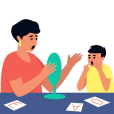
The two main disorders in this category are:
1. Oppositional Defiant Disorder (ODD): Defined by a persistent pattern of angry/irritable mood, argumentative/defiant behavior, or vindictiveness directed toward authority figures.
2. Conduct Disorder (CD): A more severe pattern involving serious violations of rules and the rights of others (e.g., aggression, destruction of property, deceitfulness).
Key Point: Early intervention is critical. If left untreated, ODD can develop into Conduct Disorder, which carries higher risks for future legal and social difficulties.

🚨 Recognizing the Signs: ODD vs. Conduct Disorder

The difference between ODD and CD lies in the severity and nature of the behavior—whether it is defiant opposition or serious violation of others’ rights.
1. Oppositional Defiant Disorder (ODD)
The pattern must last for at least six months and be directed toward at least one non-sibling individual.
Angry/Irritable Mood: Frequent loss of temper; being touchy or easily annoyed; frequent anger and resentment.
Argumentative/Defiant: Arguing with adults; actively defying or refusing to comply with requests or rules; deliberately annoying others.
Vindictiveness: Being spiteful or vindictive at least twice in the past six months.
2. Conduct Disorder (CD)
The pattern involves a persistent and repetitive violation of the rights of others or major age-appropriate societal norms, often showing a lack of remorse.
Aggression to People/Animals: Bullying, threatening, or intimidating others; physical fighting; being cruel to animals; using a weapon; forcing sexual activity.
Destruction of Property: Deliberately engaging in fire setting; destroying others’ property.
Deceitfulness or Theft: Lying (often for gain); breaking into homes or cars; stealing without confrontation.
Serious Rule Violations: Running away from home overnight; frequently skipping school (truancy); staying out late starting before age 13.

Practical Tips for Intervention and Management

The most effective treatment for DBDs is behaviorally based and involves the parents, known as Parent Management Training (PMT).
1. Engage in Specialized Therapy
• Parent Management Training (PMT): This is the gold standard. Parents learn consistent techniques to improve the parent-child relationship, use effective commands, and apply consequences for misbehavior.
• Cognitive Behavioral Therapy (CBT): Helps the child recognize and change distorted thinking patterns (e.g., seeing others’ actions as intentionally hostile) and learn anger management skills.
• Multisystemic Therapy (MST): For severe Conduct Disorder, this intensive, home-based therapy addresses the family, school, and community factors contributing to the behavior.
2. Promote Consistent, Positive Parenting
• Positive Reinforcement: Focus on catching the child being good. Give immediate praise and rewards for compliant and positive behavior, not just attention for bad behavior.
• Clear Consequences: Establish clear, predictable, and logical consequences that are applied immediately and consistently when rules are broken.
• Structure and Routine: High structure and clear rules at home and school help reduce ambiguity and defiance.

Contact Us for Behavioral Therapy & Parent Training

Our specialized psychologists and therapists at Deva Institute, Durgakund, Varanasi, Uttar Pradesh provide thorough assessment and evidence-based treatment, including Parent Management Training, for Oppositional Defiant Disorder and Conduct Disorder.

Finding the Right Words: A Guide to Communication Disorders

What are Communication Disorders?

CDCommunication Disorders are conditions characterized by persistent difficulties in the understanding or use of language, speech, or social communication. These difficulties interfere significantly with a child’s academic performance, social interactions, and ability to participate fully in daily life.

These disorders are not due to hearing impairment, neurological damage, or intellectual disability. They represent a specific difficulty in the way the brain processes and produces speech and language.

Key Point: Early intervention with a Speech-Language Pathologist (SLP) is vital. The younger a child receives help, the better their chances are of developing effective communication skills.

Recognizing the Signs: Three Main Types of Communication Disorders

Communication disorders are generally classified by the specific area of difficulty: understanding (receptive) or using (expressive) language, making speech sounds, or maintaining fluency.
1. Language Disorder
This involves persistent difficulties in the acquisition and use of language across all modalities (spoken, written, and sign language) due to deficits in comprehension (receptive) or production (expressive) of vocabulary, sentence structure, and connected text.
Receptive Language: Trouble following multi-step instructions; difficulty understanding complex stories or abstract concepts; confusion about grammar (e.g., tenses).
Expressive Language: Speaking in very short, simple sentences; difficulty finding the right word; frequent grammatical errors; trouble telling a cohesive story.
2. Speech Sound Disorder
This is a difficulty with speech production—the physical articulation of words. The child has trouble making certain speech sounds correctly, resulting in words that are hard to understand.
Articulation: Substituting one sound for another (e.g., saying “wabbit” for “rabbit”).
Phonology: Simplifying sounds or syllables (e.g., saying “nana” for “banana” or deleting final consonants).
Intelligibility: A child’s speech is often unclear, causing listeners (especially those outside the family) to frequently ask them to repeat themselves.
3. Childhood-Onset Fluency Disorder (Stuttering)
This is a disturbance in the normal fluency and time patterning of speech that is inappropriate for the individual’s age.
Repetitions: Repeating sounds, syllables, or single-syllable words (e.g., “M-m-my ball”).
Prolongations: Stretching out sounds (e.g., “Sssssso big”).
Blocks: Silent or audible blocking of air flow; difficulty getting the word started.
Secondary Behaviors: Facial grimaces, tension, or unnecessary body movements used in an effort to get the word out.

Practical Tips for Intervention and Support

The most effective treatment involves individualized therapy from a licensed Speech-Language Pathologist (SLP).
1. Engage with a Speech-Language Pathologist (SLP)
• Assessment: A comprehensive evaluation by an SLP is necessary to determine the specific nature of the disorder and create a targeted intervention plan.
• Early Intervention: For very young children, services often focus on parent coaching to maximize language-rich interactions at home.
• Targeted Therapy: Therapy directly addresses the specific deficit (e.g., teaching sound production, expanding sentence complexity, or fluency strategies).
2. Promote Communication at Home
• Model Clear Language: Speak clearly and slowly, providing a good model for your child to imitate. Avoid correcting grammar or fluency harshly; instead, repeat the sentence correctly.
• Encourage Interaction: Give your child plenty of time to respond, without interrupting or finishing their sentences for them.
• Read Aloud: Reading daily helps expand vocabulary and improve understanding of sentence structure and narrative.

Contact Us for Diagnostic & Therapeutic Services

Our specialized Speech-Language Pathologists (SLPs) and developmental experts at Deva Institute, Durgakund, Varanasi, Uttar Pradesh provide thorough assessment and evidence-based therapy for Language Disorder, Speech Sound Disorder, and Stuttering.

More Than Food: A Guide to Feeding and Eating Disorders

What are Feeding and Eating Disorders?

Eating DisordersFeeding and Eating Disorders are serious mental health conditions characterized by persistent disturbances in eating behaviors that significantly impair physical health or psychosocial
functioning. These disorders are not about food itself; they are complex illnesses rooted in emotional regulation, body image, and control.

Key Facts:

• Serious Consequences: Eating disorders have the potential for severe, life-threatening medical complications affecting the heart, kidneys, and overall metabolism.
• Secrecy and Shame: These disorders are often hidden, making early detection difficult. If you suspect a problem, seeking professional help immediately is vital.
• Treatable: Full recovery is possible with specialized, multidisciplinary treatment involving medical doctors, nutritionists, and mental health professionals.

Recognizing the Signs: Three Major Eating Disorders

The symptoms vary depending on the specific disorder, but they all involve a harmful relationship with food, weight, and/or body image.
1. Anorexia Nervosa (AN)
This disorder is characterized by a persistent restriction of energy intake, leading to significantly low body weight, an intense fear of gaining weight, and a distorted body image.
• Restriction: Severe limiting of the amount or type of food consumed.
• Intense Fear: Overwhelming fear of gaining weight or becoming fat, even when underweight.
• Body Distortion: Perceiving oneself as overweight, even when visibly thin (body dysmorphia).
• Physical Signs: Amenorrhea (loss of menstrual periods), dramatic weight loss, hair thinning, sensitivity to cold.
2. Bulimia Nervosa (BN)
This disorder involves recurrent episodes of binge eating followed by inappropriate compensatory behaviors (purging) to prevent weight gain.
• Binge Eating: Eating an unusually large amount of food in a discrete period of time, accompanied by a feeling of loss of control during the episode.
• Compensatory Behaviors (Purging): Self-induced vomiting, misuse of laxatives/diuretics, excessive exercise, or fasting.
• Physical Signs: Dental erosion, swollen salivary glands, electrolyte imbalances, and often maintaining a body weight in the normal or overweight range.
3. Binge Eating Disorder (BED)
This is characterized by recurrent episodes of binge eating (eating a large amount of food while feeling a loss of control) that causes significant distress, but without the regular compensatory behaviors seen in Bulimia Nervosa.
• Binge Criteria: Eating much more rapidly than normal, eating until feeling uncomfortably full, eating large amounts when not physically hungry, or eating alone due to embarrassment.
• Distress: Feeling depressed, disgusted, or guilty after the episode.
4. ARFID (Avoidant/Restrictive Food Intake Disorder)
Common in children, this involves restrictive eating not due to body image fears, but due to sensory sensitivities (texture, smell) or fear of consequences (choking, vomiting).

Practical Tips for Seeking Help and Recovery

Due to the medical risks, seeking immediate, specialized help is non-negotiable for recovery from eating disorders.
1. Seek Integrated Care
• Medical Stabilization: The first priority is medical assessment and stabilization by a physician specializing in eating disorder complications.
• Specialized Therapy: Therapies like Family-Based Treatment (FBT) for adolescents and Cognitive Behavioral Therapy (CBT-E) for adults are highly effective.
• Nutritional Counseling: Working with a registered dietitian specializing in eating disorders to normalize eating patterns and address nutritional deficiencies.
2. Build a Supportive Environment
• Discontinue Dieting: Focus on normalized, regular eating rather than restrictive food rules.
• Be Open: If you are a caregiver, encourage open communication without judgment. If you are struggling, share your experience with a trusted professional.
3. Identify and Challenge Triggers
• Coping Skills: Develop non-food related strategies for managing stress, anxiety, and difficult emotions.
• Reduce Body Checking: Limit time spent in front of the mirror, weighing yourself, or engaging in body comparison.

Contact Us for Comprehensive Treatment

Our specialized team of mental health professionals and dietitians at Deva Institute, Durgakund, Varanasi, Uttar Pradesh provides thorough assessment, specialized psychotherapy, and integrated management for all types of feeding and eating disorders.